


Plato Limpio
Plato Limpio is a data-driven technological solution that measures food waste in dining services, analyzes its causes, and turns that information into concrete actions to reduce it, generating environmental, social, and economic impact.

We assess and measure
-
We start with a baseline assessment.
-
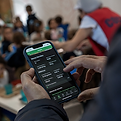
Daily waste is weighed.
-
It is recorded in the web app.
-
Clear data is generated.
.png)
2. Analyse
-
We identify causes.
-
We detect critical points.
-
We calculate cost and emissions.

3. We take action
-
We set clear food waste reduction targets.
-
We recommend improvement actions.
-
We train teams and raise awareness across the community.

Real data that shows where to act and how to improve.
Data enables the transformation of waste into a real opportunity for operational improvement. It makes visible where margins are being lost and which actions generate direct impact. At Plato Limpio, we analyze:
-
Evolution of waste by day, menu, site, and dining area
-
Tracking of reduction targets by site
-
Economic, environmental, and social impact
Other Solutions
In collective catering, between 30% and 40% of the food served is wasted—an invisible problem because it is neither measured nor its impact fully understood. At Plato Limpio, we address this challenge based on the specific needs of each site:
Plato Limpio
Corporate
Plato Limpio Corporate helps companies measure, analyze, and reduce food waste in their dining services, turning it into a manageable indicator to improve efficiency, reduce environmental impact, and strengthen sustainability reporting.
Workshops and training
We provide resources that help understand the impact of food waste and how to reduce it in everyday life.
We train kitchen teams and communities with practical tools to change habits.
Consulting and regulatory compliance
-
Development of food waste prevention plans
Advisory on compliance with current legislation
Definition of monitoring indicators and ESG reporting
Management of food surpluses
-
Design of systems to facilitate the donation of food fit for consumption
-
Collaboration with social organizations and food banks
-
Protocols for the safe management of surpluses
Waste valorization
Application of circular economy solutions following the waste management hierarchy:
composting of organic waste
biodigestion for energy production
valorization in other use streams
Reduction of waste at the consumption stage
-
Design of dining hall dynamics to reduce food returns
-
Systems for monitoring diner behavior
-
Awareness actions tailored to the environment


An opportunity
Reducing waste improves results
n a sector with increasingly tight margins, improving operational efficiency is no longer an option—it is a necessity.
Sustainability, when properly managed, becomes a tool to reduce costs, optimize processes, and strengthen competitive positioning.
Reducing food waste is the clearest starting point: it enables action on daily operations, generates short-term savings, and demonstrates real impact and commitment to clients and public administrations.
Optimization
Production adjustments
Menu optimization
Reduction of direct costs
Sustanability
Improved resource management
Reduced environmental footprint
Regulatory compliance
Reputation
Improved communication
Engagement
Transparency
Our goals
-
Reduce food waste in collective dining services by 50% within 3 years.
-
Transform dining environments and systems (menus, processes, timings, and spaces).
-
Promote responsible consumption habits.
-
Drive sustainable practices across the entire community.
